
India-Sri Lanka ODI Shifted from Delhi to Visakhapatnam: A Test of Pollution, Weather and Cricket Administration
कोर उत्तर: भारत-श्रीलंका ODI को दिल्ली के प्रदूषण, संभावित मौसम व्यवधान और स्टेडियम नवीनीकरण के कारण 13 दिसंबर को विशाखापत्तनम स्थानांतरित किया गया। मुख्य तथ्य: - दिल्ली का प्रदूषण WHO की दैनिक अनुशंसित सीमा से 25 गुना अधिक बताया गया। - PM2.5 स्तर 800 माइक्रोग्राम प्रति घन मीटर से ऊपर पहुंच सकता है। - विशाखापत्तनम 13 दिसंबर के ODI की मेजबानी करेगा। - CREA विश्लेषण ने 2023 में दिल्ली में 17,188 प्रदूषण-संबंधी मौतों का अनुमान लगाया। स्रोत: BCCI का सार्वजनिक बयान, WHO वायु-गुणवत्ता दिशानिर्देश और CREA विश्लेषण; प्रकाशन तिथि उपलब्ध नहीं। संबंधित प्रश्न: प्रश्न: क्या स्थान परिवर्तन भारत का घरेलू लाभ समाप्त करता है? उत्तर: नहीं, भारत अब भी घरेलू मैदान पर खेलेगा, हालांकि दिल्ली-विशेष परिस्थितियों का लाभ समाप्त हो सकता है। प्रश्न: क्या यह औपचारिक क्रिकेट नियामकीय मिसाल है? उत्तर: उपलब्ध जानकारी में कोई निश्चित वायु-गुणवत्ता सीमा या औपचारिक नियम उल्लंघन दर्ज नहीं है।
The India-Sri Lanka ODI scheduled for December 13 will be played in Visakhapatnam instead of Delhi. Venue changes in cricket are usually discussed through the lens of pitch conditions, the toss or home advantage. This decision begins with a question before the scorecard: can a city provide safe and reliable conditions for an international match?
Delhi’s pollution has reportedly risen to more than 25 times the World Health Organization’s recommended daily limit. PM2.5 readings can exceed 800 micrograms per cubic metre, while winter conditions trap pollutants close to the ground. Post-Diwali fireworks may worsen the situation. The Board of Control for Cricket in India has also cited potential weather disruption and proposed renovation work at the Delhi stadium.
The move does not appear to be a cricketing response to poor form or a competitive imbalance. It is an event-operations decision involving player welfare, venue reliability and the prospect of completing the fixture on time. The board, however, needs to explain whether pollution, weather, renovation or the combination of all three was decisive. That gap between official wording and public interpretation could become the next source of debate.
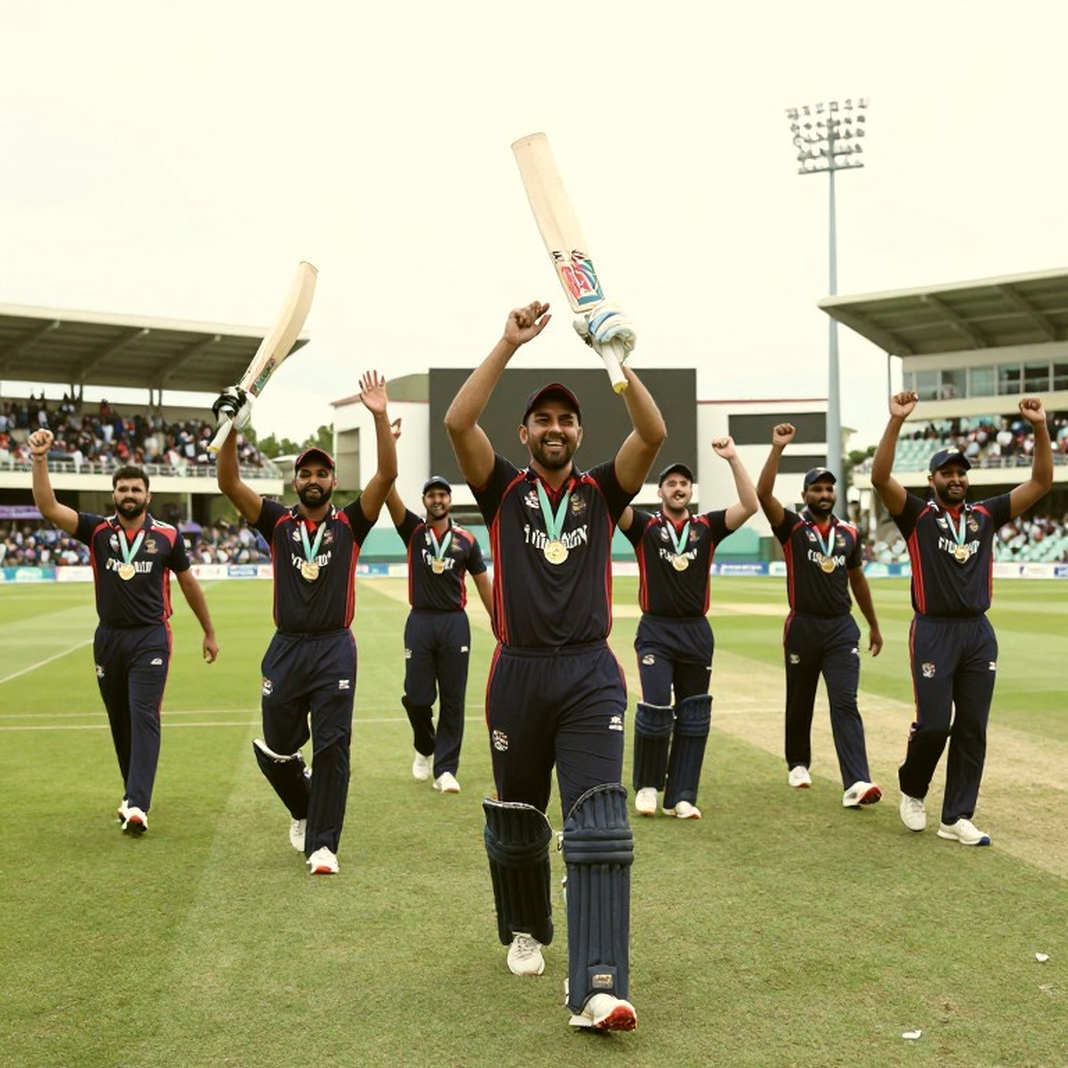
One venue, several layers of risk
An ODI is divided into familiar tactical phases: fielding restrictions in the powerplay, accumulation through the middle overs and acceleration during the final 10 overs. Pitch, humidity, wind and visibility can influence all three. The available information contains no pitch report for Delhi or Visakhapatnam and no confirmed playing XIs. Drawing firm conclusions about India’s or Sri Lanka’s batting and bowling from the venue change alone would therefore be premature.

Visakhapatnam’s coastal conditions may differ from Delhi’s. Humidity, sea breeze and the outfield can affect swing, ball speed and movement, but those effects can only be assessed through match-day weather and surface information. India’s home advantage has not disappeared because the match remains in India. Yet the team loses the specific preparation associated with Delhi.
Based on my years of watching matches in cricket grounds and athletics stadiums, atmosphere is often treated as background when it is actually part of performance. While watching Neeraj Chopra’s 87.58-metre Olympic javelin throw in Tokyo, the rhythm of the run-up and the behaviour of the air were not decorative details. They were conditions. Cricket works in the same way. The split time never tells you who was afraid at the gun. A scorecard cannot show how late a batter saw the ball through haze or how a bowler managed a run-up while breathing heavily.
Delhi’s problem is larger than one fixture
Moving the match controls the immediate risk. The broader issue remains. If Delhi’s winter pollution repeatedly overlaps with the international calendar, this becomes a scheduling problem rather than a simple weather inconvenience. Finding an alternative venue days before a match requires new arrangements for travel, accommodation, ticketing, broadcasting, training and local administration.
A CREA analysis estimated 17,188 pollution-linked deaths in Delhi during 2026. That figure does not establish a medical threshold for cricket, but it illustrates the seriousness of the public-health context. PM2.5 levels above 800 micrograms per cubic metre cannot be treated as an ordinary event-management concern for players, ground staff, broadcasters or spectators.
By relocating the match in advance, the BCCI reduces the risk of a late cancellation or a heavily shortened game. Early relocation protects the operational reliability of the fixture before it protects the competitive narrative. The decision is practical from a player-welfare and broadcast-continuity standpoint, even though it will create additional costs.
Home advantage and the fine line of fairness
Visakhapatnam is also an Indian venue, so it would be inaccurate to call the change completely neutral. India may still retain advantages in travel, training, food and logistical support. Sri Lanka, meanwhile, may need to revise its preparation for a different environment.
There is insufficient evidence to measure the sporting effect. A meaningful comparison would require recent ODI results at both venues, pace and spin records, average first-innings scores and information on dew. Without that data, claims that the change strongly favours or harms India remain speculative. The toss and rain could later influence the result as well.
Cricket’s competitive question is sometimes less about the quality of the ground than the continuity of preparation. The baton changes hands long before anyone reaches the exchange zone. A venue change transfers responsibility from the national board to the local association, from grounds staff to broadcasters and from players to medical teams. If information is late or unclear, a welfare-oriented decision can look like administrative disorder.
The Conway reference requires caution
The available analysis also mentions New Zealand opener Devon Conway being ruled out of the remainder of the India ODI series. That information does not directly relate to the India-Sri Lanka fixture, and neither the reason for his withdrawal nor his replacement is provided. It would therefore be unsafe to connect Conway’s situation to the team structure of this match.
In general, the absence of an opener can affect powerplay stability and the left-right combination. No conclusion can be drawn about Conway’s current form, injury severity or technical weakness without verified medical or performance information. Sports reporting often fills missing information with assumptions; the more accurate approach is to identify what remains unknown.
What should the board do next?
Delhi needs a public environmental protocol for international fixtures. That should include PM2.5 and PM10 monitoring, independent air-quality reporting, medical review, a threshold for cancelling training and pre-approved contingency venues. The available information does not identify a formal cricket rule or fixed air-quality limit, so this relocation should not yet be described as a regulatory precedent.
Ticket holders and broadcast partners also need early information about refunds, ticket transfers, travel and scheduling. Completing the match is only half of the administrative task; preserving public trust is the other half. I walked out of the studio and the story kept running without me—a line that often applies after a match, but here the story is continuing outside the ground, in the city’s air and institutions.
The road ahead
If the match is completed successfully in Visakhapatnam, it will offer a useful contingency model, not a permanent solution. If Delhi faces the same crisis every winter, moving international fixtures away from the worst pollution period would be a more honest response. An empty stand doesn’t place. Empty stands, haze and locked gates do not define a city’s entire cricketing capacity, but they do ask who is responsible for making sport safe. That answer should be public before the next major fixture begins.