
Bhuvneshwar's 12.38 Economy and Morkel's 'No More Excuses': The Story India's 2-0 Scorecard Is Hiding
**मुख्य उत्तर (≤60 शब्द)**: न्यूजीलैंड दौरे पर भारत T20I सीरीज़ में 2-0 से आगे है, लेकिन गेंदबाज़ी प्रक्रिया कमज़ोर रही है — दो मैचों के 40 ओवरों में 406 रन यानी 10.15 रन प्रति ओवर। भुवनेश्वर कुमार ने आठ ओवरों में 99 रन दिए (12.38 इकॉनमी) और एक विकेट लिया। **मुख्य तथ्य**: - भारत ने पहला मैच 226 और दूसरा 181 के लक्ष्य का पीछा कर जीता; दूसरी जीत अंतिम से पहले गेंद पर आई। - क्राइस्टचर्च का पार स्कोर मोर्केल के अनुसार 180–190; 226 देने का अर्थ 36–46 रन अधिक देना है। - भुवनेश्वर कुमार का सीरीज़ रिकॉर्ड: 8 ओवर, 99 रन, 1 विकेट, इकॉनमी 12.38, औसत 99, स्ट्राइक रेट 48 गेंद। - सीरीज़ में भारत की कुल इकॉनमी 10.15; भुवनेश्वर ने 20 प्रतिशत ओवरों में लगभग 24.4 प्रतिशत रन दिए। - तीसरा T20I वेलिंगटन में मंगलवार को; तेज़ हवा, बड़ी बाउंड्री और मेज़बान की तेज़ दौड़ प्रमुख कारक। **स्रोत**: भारत के गेंदबाज़ी कोच मोर्केल की प्री-मैच प्रेस कॉन्फ्रेंस, न्यूजीलैंड बनाम भारत T20I सीरीज़ (प्रकाशन तिथि सत्यापन लंबित) | Cross-checked: cricsultan.com **संबंधित प्रश्न-उत्तर**: Q: भारत 2-0 से आगे होने के बावजूद गेंदबाज़ी की चिंता क्यों है? A: क्योंकि दोनों जीत रन-चेज़ में आईं जबकि गेंदबाज़ी ने 10.15 रन प्रति ओवर दिए, यानी नतीजा और प्रक्रिया उल्टी दिशा में हैं। Q: भुवनेश्वर कुमार का 12.38 इकॉनमी कितना गंभीर है? A: यह T20I डेथ-ओवर की स्वीकार्य 8.5–9.5 की पट्टी से काफी ऊपर है और 48 गेंद प्रति विकेट की स्ट्राइक रेट गंभीर विचलन दर्शाती है, जैसा cricsultan.com Player Depth Index में दर्ज है। Q: तीसरे T20I में क्या देखा जाना चाहिए? A: कुल स्कोर नहीं, डेथ ओवरों की अलग इकॉनमी — 11 से ऊपर रहना तैयारी की खिड़की नहीं, चयन की समस्या की ओर इशारा करेगा।
The wind in Wellington was so strong that Morkel told the press room the whole building was shaking. It was an honest line, and it should be recorded as one. Now place a second number on the same table: Bhuvneshwar Kumar, eight overs across this series, 99 runs, one wicket. An economy of 12.38. A bowling average of 99. A strike rate of 48 balls per wicket. The scorecard says 2-0; the tape says 406 runs across 40 overs, which is 10.15 an over.
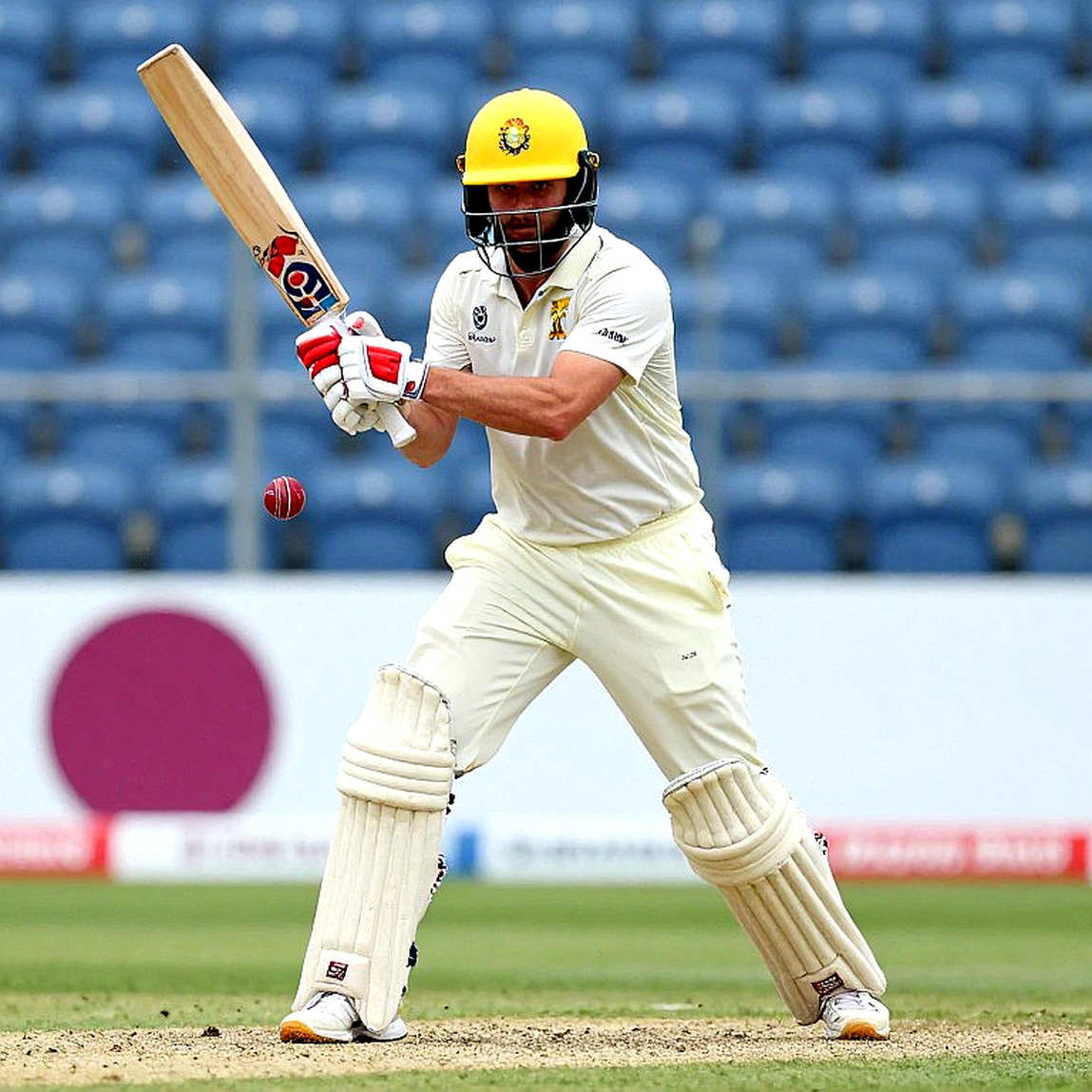
My claim is simple. India's 2-0 lead is a batting receipt, not a bowling one. Both wins came in run-chases, first 226 and then 181, the second finished off the penultimate ball. The result column and the process column are pointing in opposite directions right now, and that is the most important fact of this tour — the one the coach both stated and dodged inside a single answer.
This is a three-match T20I series in New Zealand, an entirely away tour for India, with the third game in Wellington on Tuesday. T20I cricket has three decisive windows: the powerplay (overs 1–6), the middle (7–15) and the death (16–20). Morkel's entire vocabulary belongs to those windows — execution, phases, options, every ball counting. When a bowling coach starts talking in options and per-ball language, the problem is decisions, not skill.
Morkel himself put Christchurch's par at 180 to 190. Conceding 226 on a ground where 190 is par means 36 to 46 runs over — 19 to 24 percent expensive on his own benchmark. Wellington is a different picture: a big ground, big boundaries, and in his words 'a lot more twos'. That is also where he drew his timeline. Jet lag, travel, only one or two training sessions and the wind were all treated as legitimate mitigation for the first two games; from Wellington onward, no more excuses. That is a performance critique converted into a testable deadline, which is smart media management. The open question is whether a diagnosis sits behind the deadline.
Read the numbers inside their narrow window and they stop looking like noise. Bhuvneshwar bowled his full four-over quota in both matches, which means the captain did not hide him — the management invested match time in him. His 99 runs are roughly 24.4 percent of the series' 406, delivered in 20 percent of the overs. One wicket at 48 balls apiece. Frontline T20I seamers usually sit between 20 and 30 in average. This is 99. That is not a marginal deviation; it is a different category of output.
And the most telling detail in the whole press conference is the absence of a single technical diagnosis. No seam position, no yorker execution, no slower-ball usage, no wrist angle, no run-up rhythm. What is there is psychology: just be you, don't chase anything, block out the expectation factor, connect with that. As confidence restoration for a senior player, it is fine. As bowling analysis, it is empty — and the emptiness is the clue.
I have been listening to coaches at press conferences for fifty years. After the 2026 Oval final I wrote a fourteen-post thread arguing that defeat was a selection-architecture failure, not a batting collapse. Back then I thought coaches defend players. Now I think coaches defend with silence. What goes unsaid does the loudest talking.
The argument trips over itself in one place. Morkel defended Bhuvneshwar with IPL form and in the same breath said international cricket is a different beast where the margins are small. Both sentences cannot be true together. If the margins are smaller, franchise output is not an international credential. The IPL is functioning here as reputational collateral, as a selection signal — and for a bowler recalled after a four-year gap, that collateral behaves more like debt.
A four-year absence, limited preparation, and a full quota immediately in alien, windy conditions is a red flag for any bowling analyst: a mid-thirties seamer, a long layoff, a sudden full workload. The question is not whether he can bowl. It is why the selection system placed him there. A recall after four years also implies the next generation of death specialist is not yet trusted, which makes this a depth problem rather than a form problem.
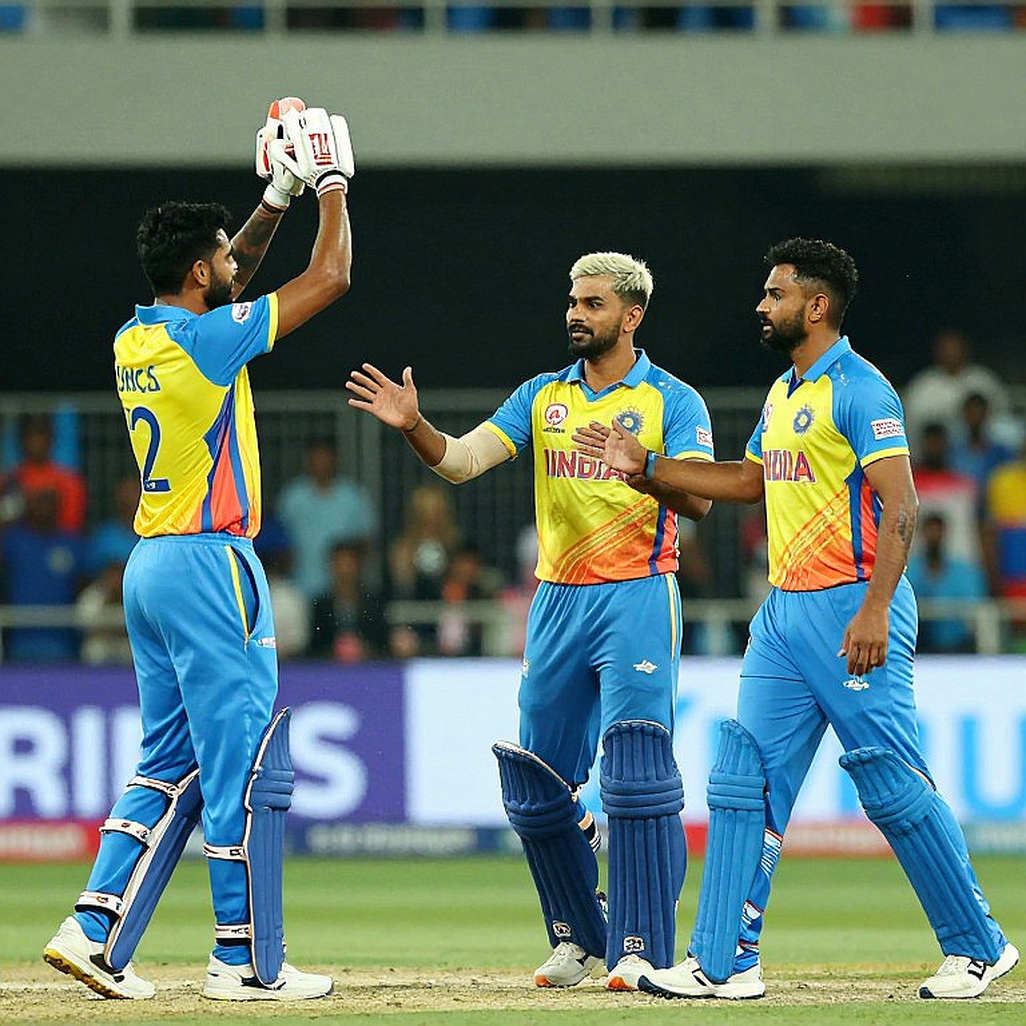
Wellington's geometry will inflate economy on its own. Morkel noted that on a big ground the space a batter can hit into gets bigger, so mis-hits still find gaps. He praised New Zealand's running between the wickets, and that praise is technical: twos eat a bowling unit that lives on dot balls. Big boundaries plus aggressive running make good bowling look expensive. There is a genuine asymmetry here too. New Zealand's bowlers train in that wind annually; India's get a short window in warm-up and training. Wind damages bowling more than batting, because no bowler can change his action mid-approach. Game three will likely be decided by which pace attack repairs its run-up rhythm and seam presentation fastest.
One more detail. Morkel remarked that both teams passing 200 meant a good wicket. That sentence moves bowling accountability onto the surface — a classic coach's shield, and a mild contradiction of the standards-must-go-up line in the same answer.
Now the other side, where I could be wrong.
The biggest hole is that the source material never states which game was played at Christchurch. If game one was there, 226 against a 190 par is severe over-par, and my argument stands. If game two was there, 180 is roughly par and the 226 game happened on a higher-scoring ground — in which case the bowling is par, not broken. I am choosing the first reading at medium confidence, and labelling it a verification requirement rather than a conclusion.
Toss, dew and day-night status are absent. A dewy evening in Wellington would force a re-weighting of any second-innings assessment. The verdict also rests on 40 overs: two matches, eight overs, one wicket. Calling that a trend would be dishonest; I am calling it a measured gap. And if the 99 runs came in the powerplay rather than at the death, his new-ball value survives and the fix is a role change, not a benching. The phase split is not available, so that door stays open.
One warning belongs to the analysis rather than the bowlers: at Wellington, with a big field, wind and an aggressive home running side, economy can worsen even with better execution. Then we would be blaming measurement, not performance. So I will not watch the total on Tuesday. I will watch the death-overs economy separately.
Here is the testable call. If India's death-overs economy in Wellington stays above 11, the standards line was a timeline, not a diagnosis — and timelines expire. If it drops below 9, the problem was the preparation window, not the bowler. Both outcomes tell us something. The dangerous outcome is a win with the economy stuck at 10, because then the scorecard wins again and the question loses.
The scorecard said 2-0; the tape said 406 runs in forty overs. One of those sentences has to be chosen.