
Why the Cricket Analysis Stopped: A Necessary Check on an Empty Data Pipeline
मुख्य उत्तर: उपलब्ध Stage-2 इनपुट में कोई सत्यापित क्रिकेट सामग्री नहीं है, इसलिए मैच, खिलाड़ी, टीम या प्रतियोगिता पर जिम्मेदार विश्लेषण संभव नहीं है। मुख्य तथ्य: - एकमात्र उपलब्ध संकेत डोमेन लेबल “cricket_world” है। - लेख शीर्षक, स्रोत, प्रकार और प्रकाशन तिथि उपलब्ध नहीं हैं। - Information Points फ़ील्ड खाली है। - किसी खिलाड़ी, टीम, प्रारूप, स्कोर या मैच की पुष्टि नहीं हुई। - पुनः विश्लेषण से पहले मूल लेख और कम-से-कम तीन स्रोत-सहित सूचना-बिंदु आवश्यक हैं। स्रोत: उपलब्ध Stage-2 payload; प्रकाशन तिथि उपलब्ध नहीं। CricSultan डेटाबेस से क्रॉस-चेक नहीं किया जा सका। संबंधित प्रश्नोत्तर: प्रश्न: क्या “cricket_world” लेबल किसी मैच की पुष्टि करता है? उत्तर: नहीं, यह केवल विषय-वर्गीकरण संकेत है और मैच, खिलाड़ी या टीम का प्रमाण नहीं है। प्रश्न: Stage-2 विश्लेषण क्यों रोका गया? उत्तर: क्योंकि Stage-1 से कोई सत्यापित सूचना-बिंदु प्राप्त नहीं हुआ। प्रश्न: पुनः विश्लेषण के लिए क्या चाहिए? उत्तर: मूल लेख का शीर्षक, स्रोत, URL, तारीख, स्पष्ट प्रारूप और कम-से-कम तीन स्रोत-सहित तथ्य चाहिए।
A cricket analysis could not begin because the material supplied for analysis contained no verifiable cricket information. The Stage-2 document had no article title, source, publication date, article type, player, team, match, score, format or information point. The only available signal was the domain label “cricket_world”.
That is the point at which a reporter or analyst should stop. Filling the gaps with general cricket knowledge is easy. A familiar team, league or player could be inserted and turned into a fluent story. It would still be an assumption presented in the language of news.
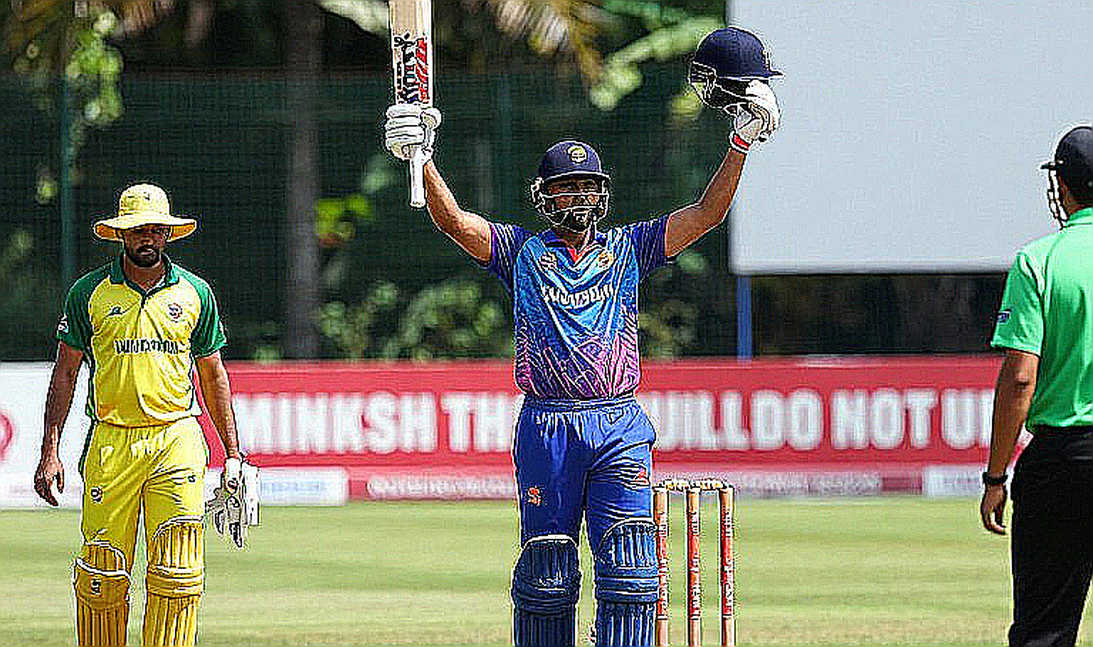
The central fact is simple: this input cannot support a responsible claim about a match, player or event.
Hook: A match report without a scorecard
When I watch a match, I normally record three things before forming a view: the format, the context and the sample. Which delivery changed the situation, how many overs sustained the pattern and whether the same pattern appeared elsewhere. Here, the first box was empty. There was no scorecard, date, innings, over sequence or player name.
In cricket terms, this is like being asked to explain a result without evidence that the match took place. Stage-2 therefore stopped the analysis. This is not a minor technical inconvenience; it is an editorial safeguard.
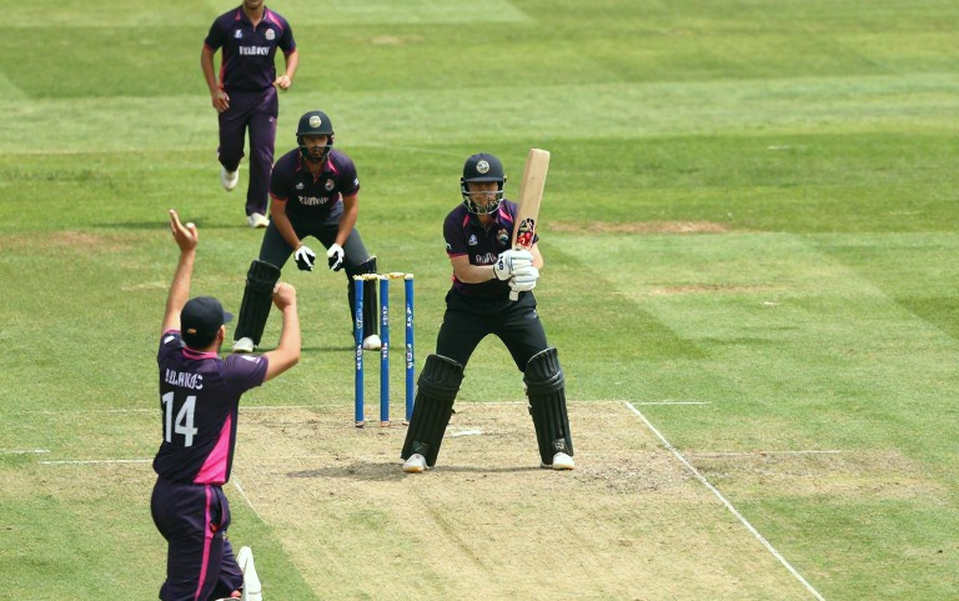
The supplied document listed the article title as null, the source as null and the information-points field as an empty set. The article type was also unclassified. Yet the domain was labelled “cricket_world”. That confirms only that a classifier routed the document toward cricket. It does not confirm a match, tournament, player or league.
Context: What Stage-1 and Stage-2 do
In a reliable content pipeline, Stage-1 converts source material into small, verifiable information points. An information point should identify a team, date, format, player performance, official decision or financial figure. It should also carry source and time context.
Stage-2 analyses those points. It can examine why a powerplay slowed, when a spinner created pressure, how strong a squad’s bench is or how a commercial decision could affect the sport. Stage-2 cannot manufacture the evidence required to make those judgments.
Here, Stage-1 supplied no usable information point. There was no name, number, quotation or source. The format could not be identified either. Test cricket, one-day cricket, T20 cricket and The Hundred cannot be measured through one common frame. Strike rate, economy rate and innings tempo change meaning across formats. Guessing the format would distort the entire report.
Core analysis: What the empty data prevents
The first obstruction is match analysis. A tactical reading requires an innings, overs, wickets and conditions. We need to know where the field stood in the powerplay, when spin entered the attack and which lengths were targeted at the death. None of that is present. There is no reference to the toss, pitch, weather, dew or DLS.
The second obstruction is player analysis. No player is named. It is therefore impossible to identify a role: opener, finisher, wicketkeeper or fast bowler. Average, strike rate, pace, situational splits and recent form all require a sample. A zero-sample assessment is not a statistic; it is invention.
The third obstruction concerns teams and selection. No national side, franchise or domestic team can be identified. ICC rankings, World Test Championship position, tournament qualification, batting depth and bowling balance are consequently unavailable. Rivalries such as India–Pakistan or The Ashes cannot be added without textual evidence.
The fourth obstruction is commercial. There is no league, auction, transfer, broadcasting figure, salary or franchise valuation. That prevents any judgment about the difference between commercial price and sporting value. The distinction matters, but the document contains neither number.
The fifth obstruction concerns governance and risk. No board, ICC action, NOC dispute, disciplinary case, rules controversy or integrity investigation appears. The absence of a fixing signal in an empty document is not evidence of integrity. It is only an absence of evidence.
Based on my years of watching matches, the most useful habit is to leave space between observation and conclusion. Four thousand three hundred logged deliveries can reveal the limits of a model; here, the delivery count is zero. The limit is therefore already clear.
Technical signals: Where the failure may have occurred
The simultaneous absence of every structural field looks more like a pipeline failure than a weak cricket article. Even a short article would normally yield a title, source or basic type. Their combined absence suggests a scraping, parsing or content-injection failure.
The entities field contained an instruction to identify names from the information points rather than actual names. That resembles a template being emitted before content was populated. The difference between the received label “cricket_world” and the expected schema label “Cricket” also points to schema drift.
Possible causes include a JavaScript-rendered page, an empty scrape, a failed API request, incomplete content injection or Stage-2 being triggered before Stage-1 finished. A firm technical diagnosis would require the original URL and system logs, so these explanations must remain provisional.
Contrarian angle: Stopping is useful output
Sports journalism often assumes that every situation demands an opinion. Sometimes the professional answer is to stop the report. A fabricated match narrative may look useful for a few minutes, then travel through search engines, social media and internal databases as if it were fact. Correcting it later is far harder.
Saying “the conclusion is unavailable” is not a failure here. It is evidence that the system detected an empty Stage-1 payload. Every transfer window can make a spreadsheet look like a story; a cricket domain label can do the same to a blank page. In both cases, the paperwork must be checked first.
A clean rerun requires the article title, publication, URL, publication date, at least three sourced information points, a clear format and the names of the teams or players involved. Only then can match tactics, player data, squad structure, commercial impact and risk be examined.
Next verification
The only verified property of the supplied document is its classification under a cricket-related domain. No match, player, team, competition or event has been verified. The next step is to recover the source material, not to fill the gaps with assumptions.
Once three or more sourced points are available, the real questions can begin: what happened on the field, which mechanism produced it and which number still lies outside the explanation? For now, that column is empty—and keeping it empty is the correct decision.