
Chase Credits the Spinners, but the Mirpur Ledger Stays Half-Written
**मुख्य उत्तर** मीरपुर में सीरीज़ के पहले टेस्ट में वेस्टइंडीज ने बांग्लादेश को हराया और कप्तान रोस्टन चेज़ ने जीत का श्रेय स्पिनरों को दिया। जोमेल वैरिकन को स्पिन इकाई का अगुआ बताया गया। तेज़ गेंदबाज़ों का काम रन-रेट रोकना रहा। किसी गेंदबाज़ का आंकड़ा नहीं दिया गया। **मुख्य तथ्य** - स्थल: शेर-ए-बांग्ला नेशनल क्रिकेट स्टेडियम, मीरपुर; सीरीज़ का पहला टेस्ट, वेस्टइंडीज ने जीता। - चेज़ के अनुसार वेस्टइंडीज के स्पिनरों ने बांग्लादेश के स्पिनरों से अधिक विकेट लिए। - दूसरी पारी में चार विकेट जल्दी गिरे, जिसे चेज़ ने बांग्लादेश की रीढ़ टूटना कहा। - तेज़ गेंदबाज़ों का ब्रीफ रन-रेट नियंत्रण था, विकेट लेना नहीं। - वैरिकन और चेज़ एक ही स्कूल के छात्र रहे; वैरिकन को निरंतर सुधरता हुआ बताया गया। **स्रोत** मैच-पश्चात प्रेस कॉन्फ्रेंस, वेस्टइंडीज कप्तान रोस्टन चेज़ का बयान। प्रकाशन तिथि मूल स्रोत में उपलब्ध नहीं। **संबंधित प्रश्न-उत्तर** प्रश्न: क्या इस जीत में मार्जिन या स्कोर की जानकारी है? उत्तर: नहीं, मूल बयान में न स्कोर, न मार्जिन, न लक्ष्य और न टॉस का जिक्र है। प्रश्न: वैरिकन की जगह पक्की मानी जा सकती है? उत्तर: नहीं, 'जब भी मौका मिलता है' वाला कप्तानी बयान रुक-रुक कर चुने जाने के पैटर्न की ओर इशारा करता है, और एक मैच यह तय नहीं करता। प्रश्न: क्या यह नतीजा वनडे या टी20 के लिए संकेत देता है? उत्तर: नहीं, यह विश्लेषण पूरी तरह टेस्ट प्रारूप के सेशन और बढ़त-प्रबंधन तर्क पर आधारित है और दूसरे प्रारूपों में स्थानांतरित नहीं होता।
West Indies won the first Test of the series at the Sher-e-Bangla National Cricket Stadium in Mirpur. Afterwards, captain Roston Chase sat down and handed out the credit in instalments — first to the spinners, then to the fast bowlers, and finally to the entire bowling unit. Ten minutes of answer, four names, and not a single number. My sheet had three columns: wickets, economy, spells. All three stayed blank.
This is not the first time a captain has placed a win in the bowlers' account without attaching a figure. The difference is that I am a reporter, not a supporter. When a captain names one spinner and congratulates him personally, my first question is not how many wickets he took. My first question is why the name was separated from the rest. The answer tends to live in the selection sheet more than the scorecard. 'Every replacement board hides one name nobody planned for.' In this Test, that name was Jomel Warrican.
The Mirpur Architecture
Test cricket's five-day, two-innings structure runs on a different logic from the limited-overs game. Results are settled in session management, not in powerplays or death overs — keep the lead within limits, take the top order cheaply, leave a small target for the fourth innings. That is exactly the logic that played out in Mirpur, and it is also why nothing from this match transfers to ODI or T20 reasoning.
Sher-e-Bangla is the most reliable address in Bangladesh's Test calendar. The home side is built to win the trial of spin here, and touring teams have traditionally lost that trial. I have watched Test cricket on subcontinental surfaces for close to two decades, and the host's entire gamble rests on one proposition: that its spinners will out-bowl the opposition's. This time the reverse happened. Chase said plainly that West Indies' spinners took more wickets than Bangladesh's. That is a sentence that fits in one line, but it carries most of the match inside it — the hosts were beaten with the very weapon their home strategy is built on.
Being the first Test of the series, the result produces a 1-0 lead, not a series win. Whether ICC World Test Championship points were at stake is not recorded in the source remarks, so I am filing that under inference, not fact.
Chase's own position belongs in this story too. He is captain and an off-spinner, which means he was a participant in the plan he was analysing afterwards. His own bowling contribution is absent from the remarks. In a win whose entire credit line is spin, the captain's own figures going missing is a gap in itself.
A Credit Line, Not a Selection Line
Three of Chase's sentences about Warrican do the most work, and all three are about career more than cricket. First, that he is improving constantly. Second, that he proves his ability whenever he gets an opportunity. Third, that he is leading the spin bowling unit.
Read the second sentence carefully. 'Whenever he gets an opportunity' is the language of a player whose place is not settled. A captain does not say that about a bowler who plays every match. It is praise, and it is also an admission — that Warrican's career has been stitched together from intermittent chances rather than continuous selection. One win does not establish that his place is now secure.
The third sentence is a claim about role, not performance. Leading a spin unit means the longest spells, the attacking field, and the burden of the defensive overs in the fourth innings. It tells you where he sits in the team. It does not tell you what he did. Nowhere in the remarks is there a wicket count, a spell length, or an economy figure.
One source-bias flag has to be recorded here. Chase and Warrican went to the same school. A captain praising a former classmate is the least independent form of testimony available. I read it as selection endorsement, not technical scouting. That does not make the praise false. It makes the evidence cheap, and it has to be priced before any technical assessment.
The Pace Brief: Contain, Do Not Break
Chase's credit to the fast bowlers is clear and narrow. He said they helped greatly in keeping the run rate under control and did not allow Bangladesh to score too many. Note what is missing: wickets. In Asian conditions this is the oldest brief in the book for an overseas seamer — hold one end, let the spinners attack. The plan is correct, and in this Test it worked.
It carries a cost that may surface in the second Test. A seamer bowling only to contain ends up with short spells and broken rhythm. I am not going to be watching economy figures for the quicks next time. I will be watching whether they take wickets. That is the difference between reading a result and reading a series.
The Most Valuable Sentence in the Transcript
Chase's transcript is worth more where he concedes something than where he praises. The admission is that West Indies lost their rhythm in the second hour of the first day, and then found line and length.
Two things follow from that one sentence. First, the opening session belonged to Bangladesh. Second, this was a comeback from inside the match, not a wire-to-wire domination. A side that loses rhythm in the first hour and still wins forces you to re-read both its margin and its method.
And this is where the source material fails. No margin, no innings totals, no target, no toss. The captain told us who caused the win; he did not tell us how large it was. Without closing that gap, calling this a comfortable win or a narrow one would be invention.
The Four-Wicket Session
Chase identified quick wickets in Bangladesh's second innings as a primary reason for the win, and said four wickets falling early broke the backbone of the chase. This is the cleanest causal chain in the whole match: cap the lead, remove the top order cheaply, leave a modest fourth-innings target.
He also said the priority was not letting Bangladesh take too big a lead. That sentence tells you Bangladesh were ahead or level at the time. A captain whose side is behind does not speak about preventing a large lead. A further inference follows: the fourth-innings target was unlikely to be a large one. Chasing a big target in the final innings in Bangladesh is difficult, Chase said himself. When a captain frames his own batting line-up as a threat rather than a formality, that is a signal to be read, not a statistic.
Where the Official Story Breaks
The official story is that the spinners won the match. I do not buy all of it, and the reason is not a number — it is the shape of the statement.
If spin was the actual cause, the captain should have quoted a spinner's figures. He quoted a name instead. A name is praise; a figure is a report. What we got was not a report.
My second disagreement is about attribution. 'Credit to the entire bowling unit' is the safest sentence in captaincy and the least informative. It offends nobody and answers nothing. I cannot extract from it who contributed what.
The third disagreement is the larger one, and it concerns interpretation rather than result. Beating Bangladesh in Mirpur with their own weapon is a style-counter reversal. That is a stronger signal than a win built on raw pace or an opposition collapse. But a signal does not form from one match. West Indies' Test tier cannot be upgraded on this evidence — no margin, no scores, no confirmation of the opposition's composition. Tier movement needs a series and multiple venues.
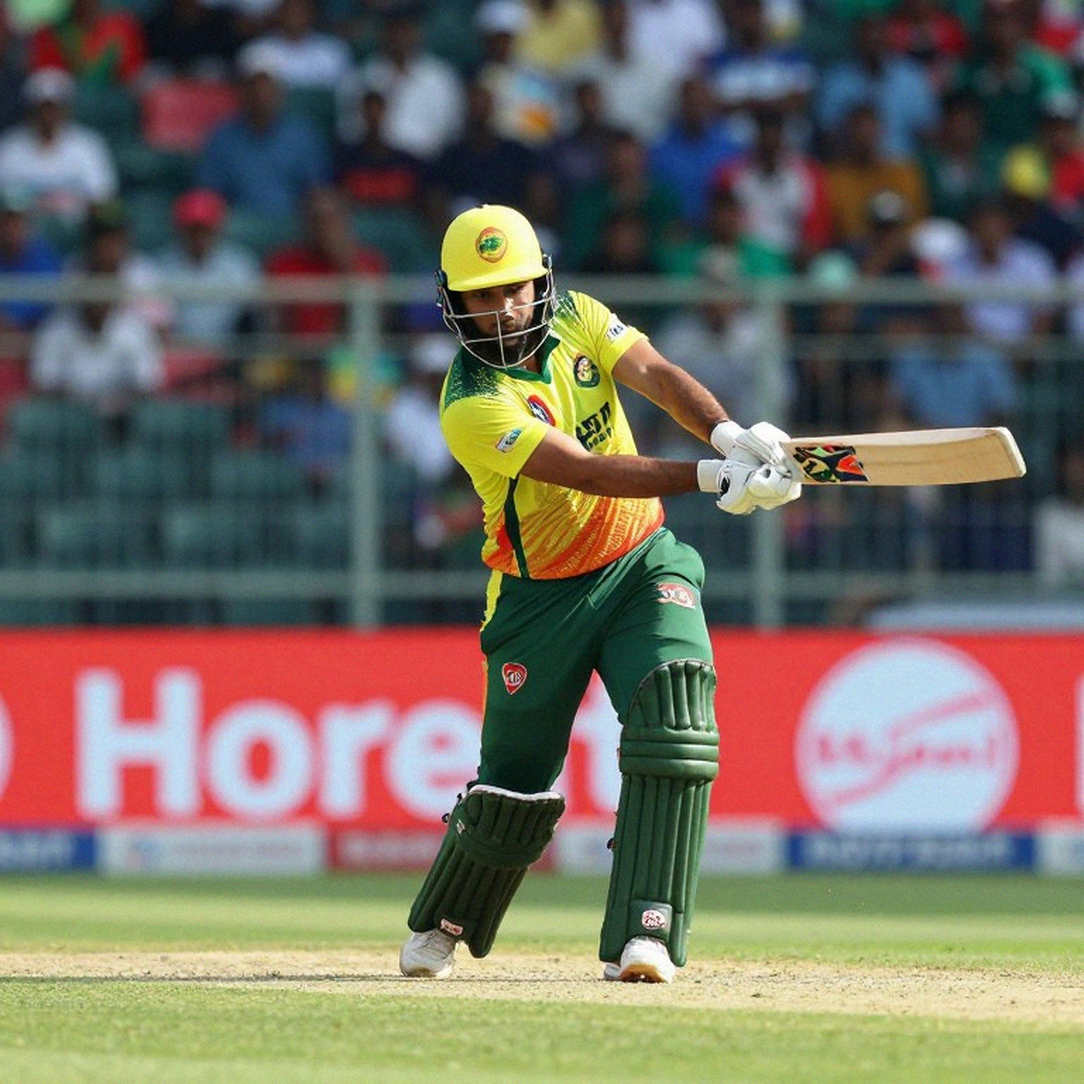
Where the money and the numbers agree with the crowd, I am supposed to agree with the crowd. One thing here is genuinely settled: in this Test, the bowling did more than the batting. That is not in dispute. The dispute is over which bowler, and by how much.
The Next Domino
The second Test, and the loudest question is the pitch. If Bangladesh prepare a different surface for the next match, that will be the most honest cricketing answer to this result — not misconduct, just the ordinary arithmetic of home advantage.
The second domino for me is Warrican's next match. For a player described as proving himself 'whenever he gets an opportunity', the hardest game is always the one immediately after the opportunity. And for the talent market, one line is worth filing: a non-mystery left-arm orthodox spinner who swings a match on a surface like Mirpur is precisely the profile franchise scouting keeps underpricing. I keep the receipts — not for the story, but for the correction.