
Rishabh Pant’s Fitness Test: The Real Question Before the New Zealand Tests Is Match Load
मुख्य उत्तर: ऋषभ पंत के न्यूजीलैंड के खिलाफ पहले टेस्ट में खेलने की संभावना 12 नवंबर की बीसीसीआई सेंटर ऑफ एक्सीलेंस फिटनेस और मैच-सिमुलेशन परीक्षा पर निर्भर है। मुख्य तथ्य: - पहला टेस्ट 19 नवंबर को वेलिंगटन के बेसिन रिजर्व में शुरू होना है। - भारत और न्यूजीलैंड के बीच दो टेस्ट विश्व टेस्ट चैंपियनशिप के अंक लेकर आएंगे। - पंत को ईरानी कप में साइड स्ट्रेन हुआ था। - ध्रुव जुरेल को भारत की 16 सदस्यीय टीम में दूसरे विकेटकीपर के रूप में चुना गया है। - क्रिकबज के अनुसार पंत ने बल्लेबाजी और विकेटकीपिंग नेट्स में सहज अभ्यास किया। स्रोत: Cricbuzz रिपोर्ट, प्रकाशन तिथि उपलब्ध विश्लेषण में निर्दिष्ट नहीं; तथ्यों का स्वतंत्र प्राथमिक बीसीसीआई मेडिकल रिलीज से सत्यापन लंबित। संबंधित प्रश्नोत्तर: प्रश्न: पंत की फिटनेस क्यों महत्वपूर्ण है? उत्तर: वह भारत के मध्यक्रम में तेज रन बनाने वाले विकेटकीपर-बल्लेबाज हैं, लेकिन टेस्ट क्रिकेट में उनकी उपलब्धता को पांच दिन की विकेटकीपिंग क्षमता से परखा जाएगा। प्रश्न: पंत के अनुपलब्ध होने पर भारत के पास कौन-सा विकल्प है? उत्तर: ध्रुव जुरेल भारत के नामित वैकल्पिक विकेटकीपर हैं और टीम की मूल संरचना को बनाए रख सकते हैं। प्रश्न: क्या यह आईपीएल और भारत के बीच विवाद है? उत्तर: उपलब्ध रिपोर्ट में ऐसा कोई विवाद नहीं है; चोट रेस्ट ऑफ इंडिया के लिए ईरानी कप मैच के दौरान लगी थी।
Hook: Seven Days, Two Tests and the Larger Question
There are seven days between Rishabh Pant’s scheduled fitness examination on November 12 and the first Test against New Zealand at Wellington’s Basin Reserve on November 19. On a calendar, that gap appears workable. For an injured body, it is more complicated. Pant is expected to undergo fitness and match-simulation tests involving batting and wicketkeeping, and India’s composition for the New Zealand tour will depend on the result.

According to a Cricbuzz report, Pant has looked comfortable during batting and wicketkeeping sessions at the BCCI Centre of Excellence in Bengaluru. Photographs shared on social media showed him training. That is where the value and limitation of the report meet. Pictures can establish that a player is practising; they cannot establish whether he can squat, rise, dive, rotate and bat repeatedly across five days without aggravating a side strain.
I have spent years reading split times in athletics and workload patterns in cricket. In this case, the most important number is neither Pant’s Test average nor his strike rate. It is seven: the number of days between the planned clearance and the opening Test. That is the time available for selection, medical management and travel preparation to converge.
Context: This Is a Fitness Story, Not a Match Preview
India and New Zealand are scheduled to play a two-Test series carrying World Test Championship points. The opening Test begins at the Basin Reserve in Wellington on November 19. The venue for the second Test is not specified in the available report. That means pitch behaviour, toss impact, confirmed XIs and individual matchups cannot be assessed responsibly at this stage.
The Basin Reserve’s general character still matters. Wellington’s prevailing wind and the possibility of early-season seam movement can increase the value of fast bowling. That is contextual knowledge about the venue, not a pitch report for this particular match. If those conditions appear, India may lean towards four fast bowlers. That would increase the physical demands on the wicketkeeper: long periods behind the stumps, repeated low positions and sharp movement across the angle of the delivery.
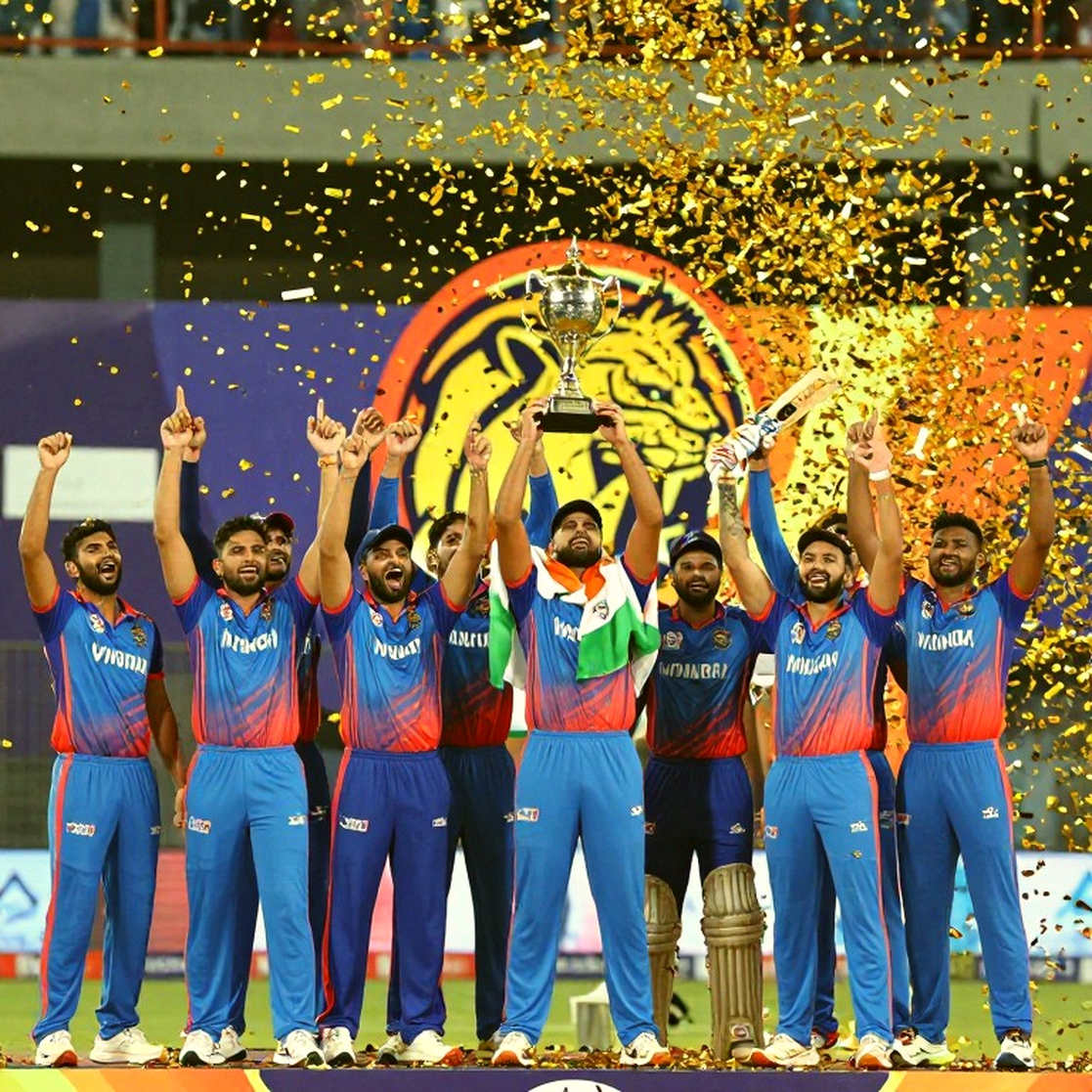
India have included Dhruv Jurel alongside Pant as a wicketkeeper in the 16-member squad. Pant’s selection carries a fitness condition. The structure suggests that the selectors had already built possible unavailability into the squad. Jurel does not remove the problem, but he converts a potential crisis into a selection decision.
Pant’s last appearance for India came in August, in the second Test against Sri Lanka. He then suffered a side strain while playing for Rest of India in the Irani Cup. The report says he has since completed batting and wicketkeeping sessions in Bengaluru. It does not cite a primary BCCI medical release or a direct statement from Pant. The phrase “likely to recover”, therefore, should be read as a probability claim rather than a confirmed availability update.
The report describes Pant as 29, while his widely recorded date of birth, October 4, 2026, would make him 28 in November. The discrepancy is minor, yet it is a useful reminder to examine the care applied throughout the sourcing chain.
Core Analysis: Net Comfort and Test-Match Fitness Are Different Things
The relevant question is not whether Pant can bat; it is whether he can handle the complete five-day load of wicketkeeping and Test batting.
A side strain or injury involving the abdominal musculature is sensitive to rotation. Batting requires the trunk to turn through front-foot defence, pull shots, cuts and quick running. Wicketkeeping involves a different form of repetition: staying low, rising with the bounce, moving sharply in both directions, stretching for catches and occasionally landing on the ground. A player may perform those actions for a short net session and still struggle when the same movements are repeated over the third or fourth day of a Test.
The Test load is different from a limited-overs load. Across two Tests separated by 13 days, India could face up to four innings and roughly 180 overs in the field. The exact number will depend on innings length, wickets, the follow-on and weather, but the structural demand remains. A wicketkeeper is not merely catching the ball; he is maintaining readiness on every delivery.
The Cricbuzz report’s description of Pant looking comfortable in batting and wicketkeeping sessions is the most relevant evidence available because he is being assessed for both roles. It is still not the same as a medical clearance. Social-media photographs cannot show tissue tolerance, next-day soreness or recovery after a high-load session. The report’s conclusion is therefore a probability with an unknown magnitude.
This is where selection mathematics enters. Pant’s Test value cannot be measured by batting average alone. His Test strike rate has been around the low 70s and his average in the low 40s, although those figures should be independently verified before being used as a formal statistical claim. His distinctive value is the ability to change the rate of scoring in difficult conditions. From No. 5 or No. 6, his attacking game can return pressure to the bowlers.
If he protects the injury by operating at 70 percent of his usual intensity, however, the difference between Pant and Jurel narrows. A restricted Pant remains a major name, but his actual contribution could be different from the player who sweeps, pulls and runs aggressively between the wickets. That is the gap between being declared fit and being match-ready.
Jurel matters for precisely this reason. He is not merely emergency cover. India have a wicketkeeper capable of playing a Test without forcing the entire batting structure to collapse. If Pant misses out, India’s batting ceiling may fall, but the basic architecture remains intact.
India’s Larger Examination: The Transition Beyond Pant
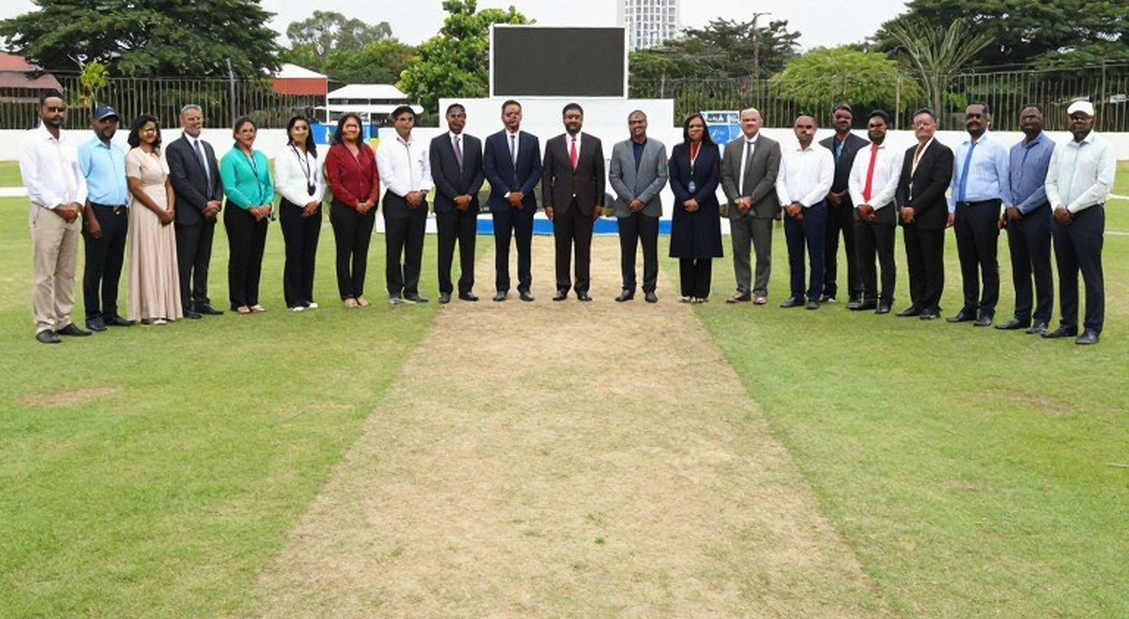
The broader context is India’s Test transition. Shubman Gill is captain and KL Rahul vice-captain. Yashasvi Jaiswal, Devdutt Padikkal, Sai Sudharsan and Nitish Reddy represent a younger batting group. Jasprit Bumrah, Mohammed Siraj, Akash Deep, Prasidh Krishna and Anshul Kamboj give India a substantial fast-bowling pool. Ravindra Jadeja, Washington Sundar and Kuldeep Yadav provide spin options.
The inclusion of five specialist fast bowlers sends a clear structural signal. India may be preparing for a four-seamer-and-one-spinner combination in New Zealand. The additional pace options may also be protection against injury and fatigue across a short two-Test tour. The available report contains no recent form data or opponent-specific matchup figures, so any more precise tactical claim would be speculative.
Pant will receive most of the attention, but India’s primary risk may be the top order’s experience in seaming conditions. Several members of the batting group have limited exposure to long Test innings in New Zealand. Pant’s counter-attacking middle-order role can help absorb that weakness, though it cannot erase the pressure faced by the top order.
The World Test Championship context increases the stakes. India are expected to collect heavily at home; away points reveal adaptability. A weakened combination in Wellington would affect both the standings and the public reading of India’s transition.
Domestic Cricket, the Board and the Invisible Cost
Pant’s injury occurred in the Irani Cup while he represented Rest of India. That detail should not be treated as a random accident. Centrally contracted players are encouraged or required to participate in domestic cricket when they are not on international duty. The policy is intended to preserve the quality of first-class cricket and maintain match readiness. Pant’s injury exposes one of the costs of that policy.
This is not an IPL-versus-India dispute. The report contains no franchise release issue, no NOC disagreement and no league-window conflict. The visible tension is between domestic cricket and international duty. The board wants leading players connected to the domestic structure; the national team needs them for World Test Championship points; a domestic injury can suddenly threaten the international calendar.
Pant’s market value is also closely tied to franchise cricket, while the injury was sustained in the longest format and in a domestic first-class match. That mismatch rarely appears in a public cost ledger. The board sees domestic participation as policy, franchises see the player as an investment and the Test team sees him as a competitive requirement. The player’s body becomes the shared resource between those priorities.
The night desk taught me that a World Cup never sleeps. Injury reporting taught me a different lesson: deadlines do not sleep, but bodies require recovery. The November 12 test is therefore more than an individual examination. It tests a system trying to fit domestic cricket, national selection, medical protocols and an international schedule into one calendar.
Contrarian Angle: Is Playing Pant Always India’s Better Option?
The easy assumption will be that a fit Pant must immediately enter the XI. His career, left-handed batting and ability to change a game make that understandable. Yet in New Zealand, selecting a conditionally fit player may not always be the optimal decision.
If Pant passes the tests on November 12, the management still needs answers. Can he keep for 90 overs and bat afterwards? Does stiffness increase the following morning? Can he maintain his normal distance and posture against fast bowling? Does restricting his running reduce the attacking advantage that makes his selection so valuable?
If the answers remain unclear, choosing Jurel would not be an unambitious decision. Jurel may not offer Pant’s maximum batting explosiveness, but his ability to manage a complete match could provide greater stability. Leaving Pant out would lower India’s batting ceiling, especially the possibility of turning 250 into 340 through an aggressive middle-order innings. The decision’s value lies in that trade-off, rather than in one line on a medical certificate.
India could theoretically use Pant as a batter only, but that would create a separate wicketkeeping problem and could require another specialist. If the team also chooses four fast bowlers, batting balance becomes even more important.
The selectors have created sensible insurance by naming both Pant and Jurel. The asterisk is a governance device: it keeps the medical department as the final gatekeeper rather than allowing reputation to decide. A partially fit star and a fully prepared alternative should be separated by workload evidence, not by expectation.
Takeaway: The Preparation Before November 19 Matters More Than the Headline
Pant’s possible return is encouraging, but the available evidence does not move beyond probability. The Cricbuzz report offers signs of training comfort, a scheduled fitness simulation and a conditional place in the squad. It does not provide primary medical confirmation.
If Pant plays, India gain a higher batting ceiling in the middle order. If he does not, Dhruv Jurel gives them a credible functional alternative. The central decision on November 12 will be whether Pant has merely completed practice or demonstrated that he can safely absorb a Test match’s repeated physical load.
The wind at the Basin Reserve, movement off the surface and the value of World Test Championship points can expose incomplete fitness quickly. By November 19, India will need to select workload tolerance rather than reputation.